Product Category
PTFE, FR4 and Ceramic Parts for Industrial Insulation and Machining Procurement
Engineering plastic, PTFE, FR4 and ceramic parts for insulation, machining, sealing and equipment component replacement.
Category Procurement Overview
Source Engineering Plastic & Ceramic Parts with the Right Specification
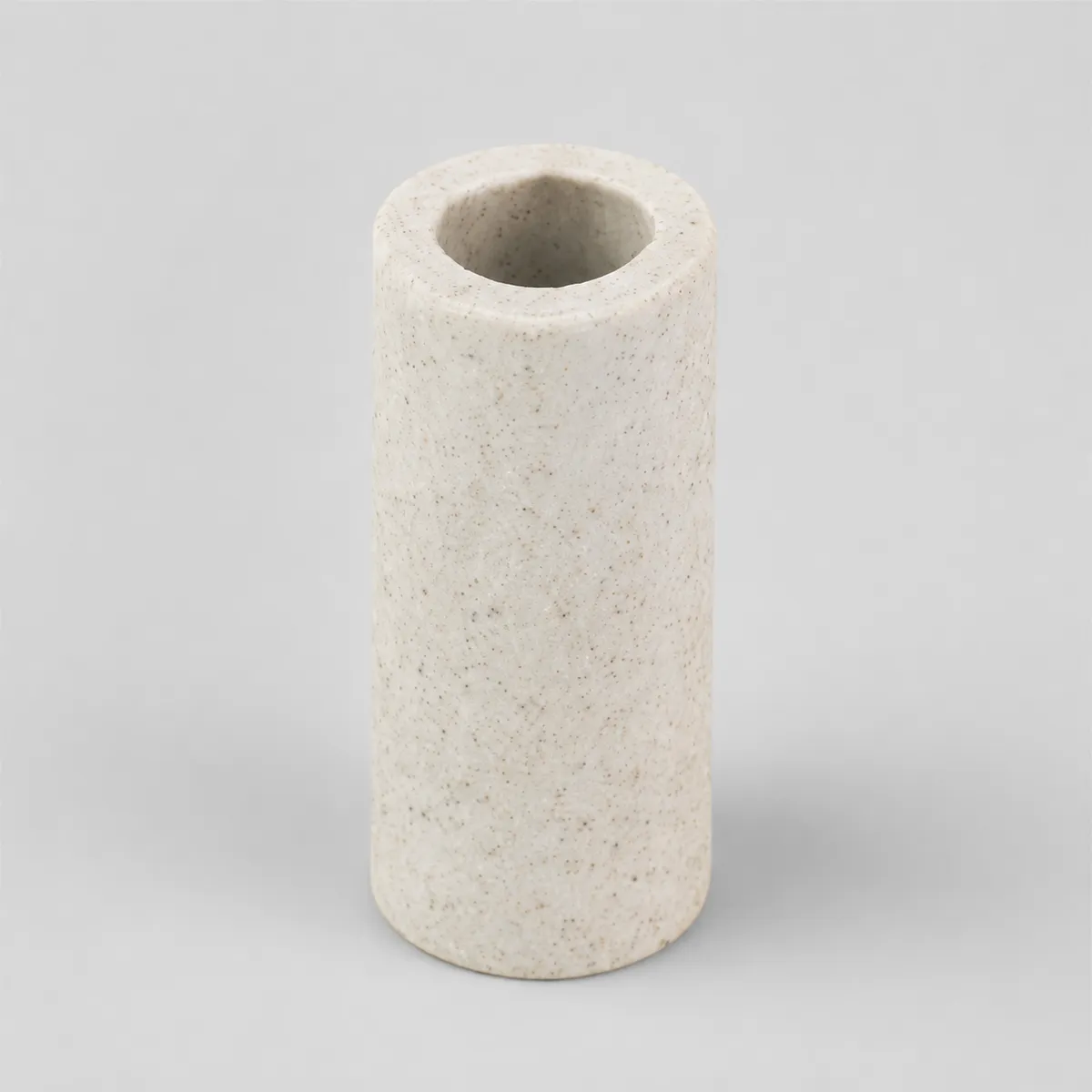
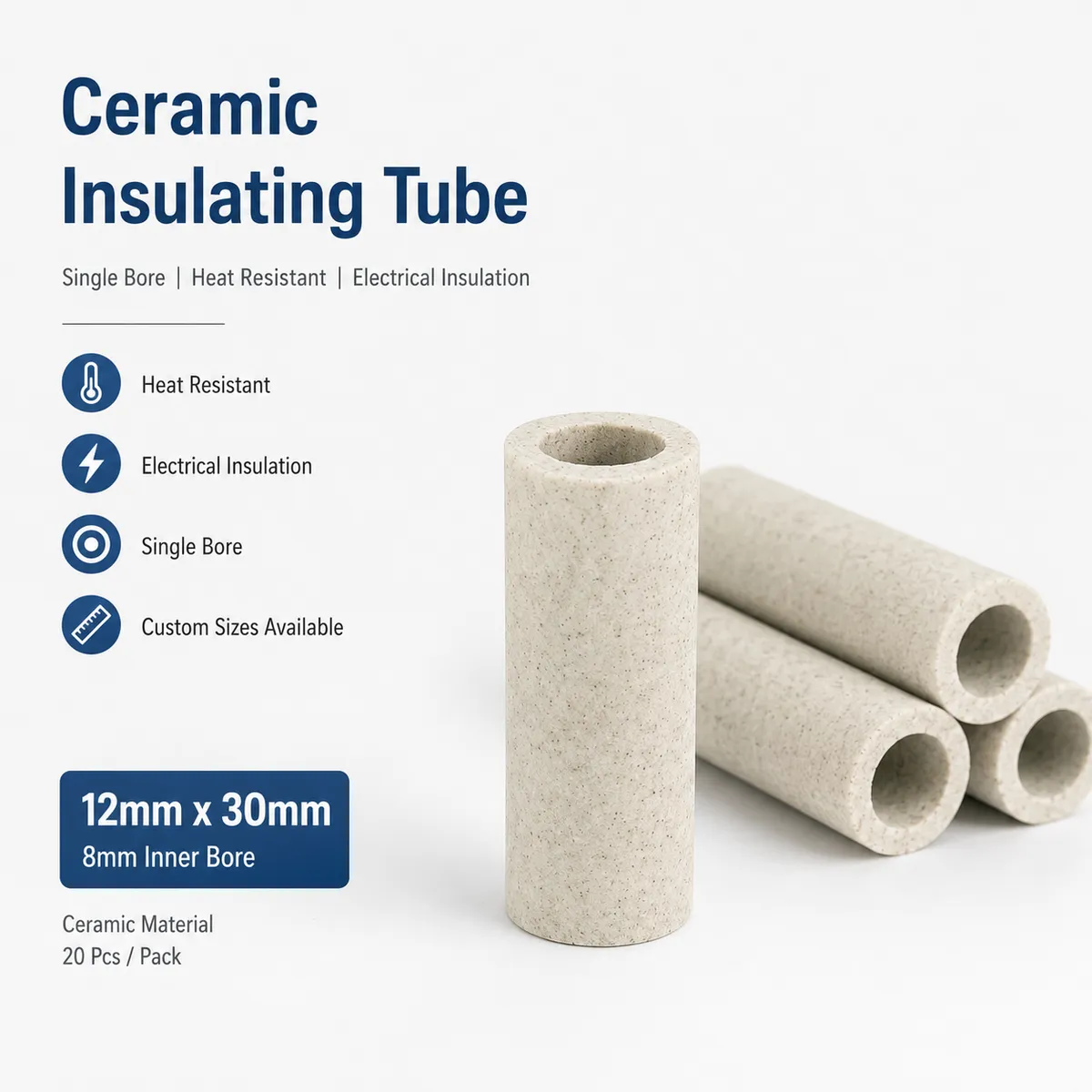
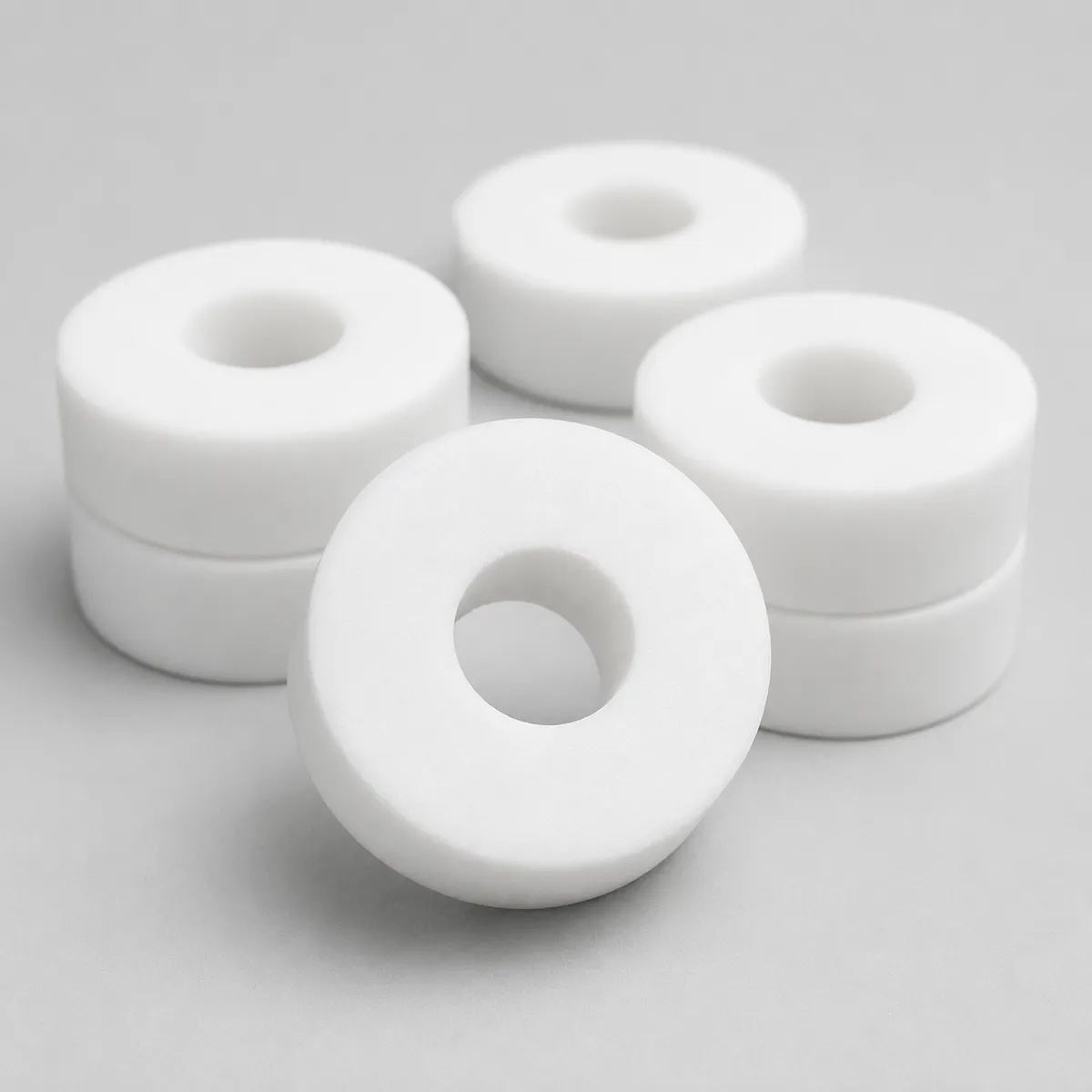
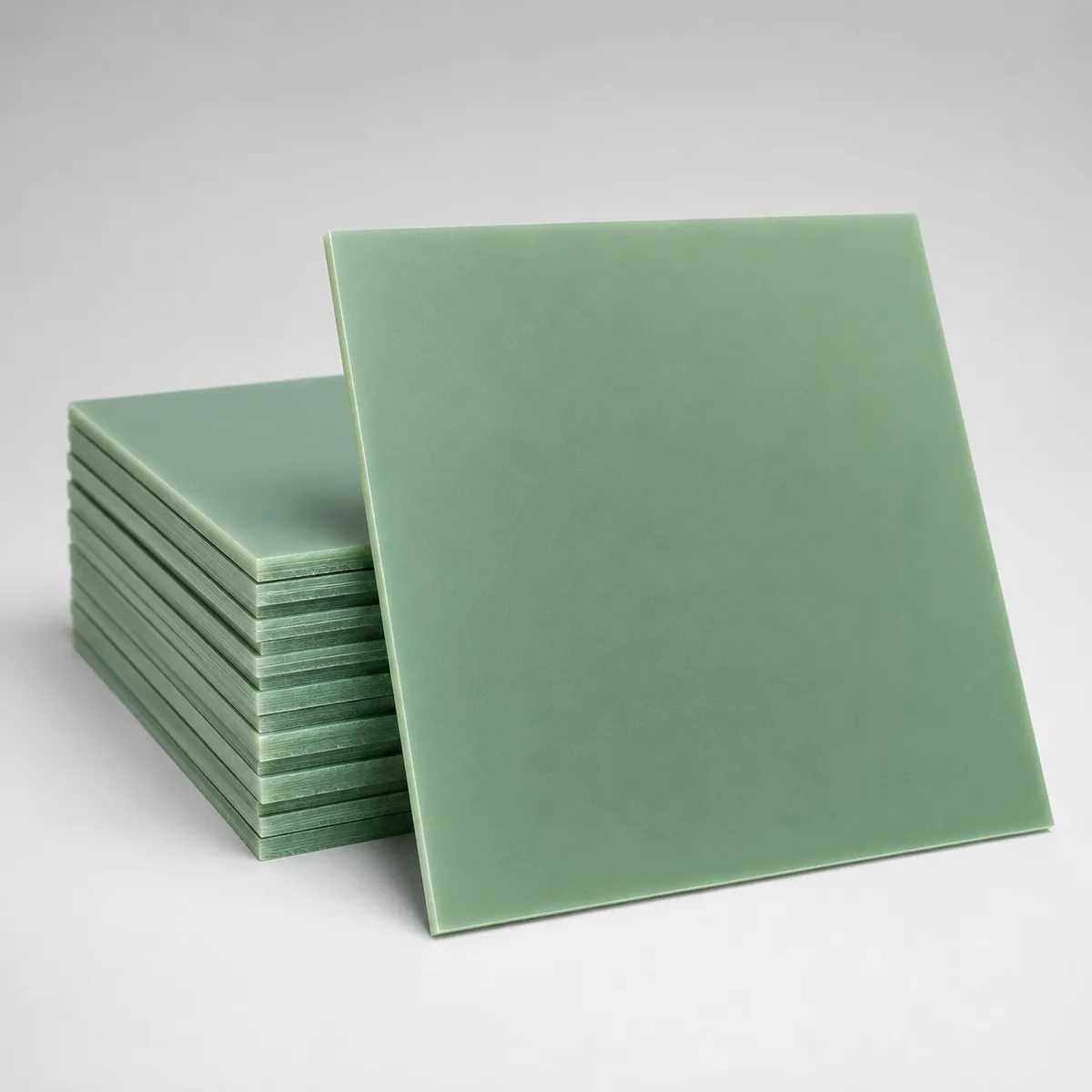
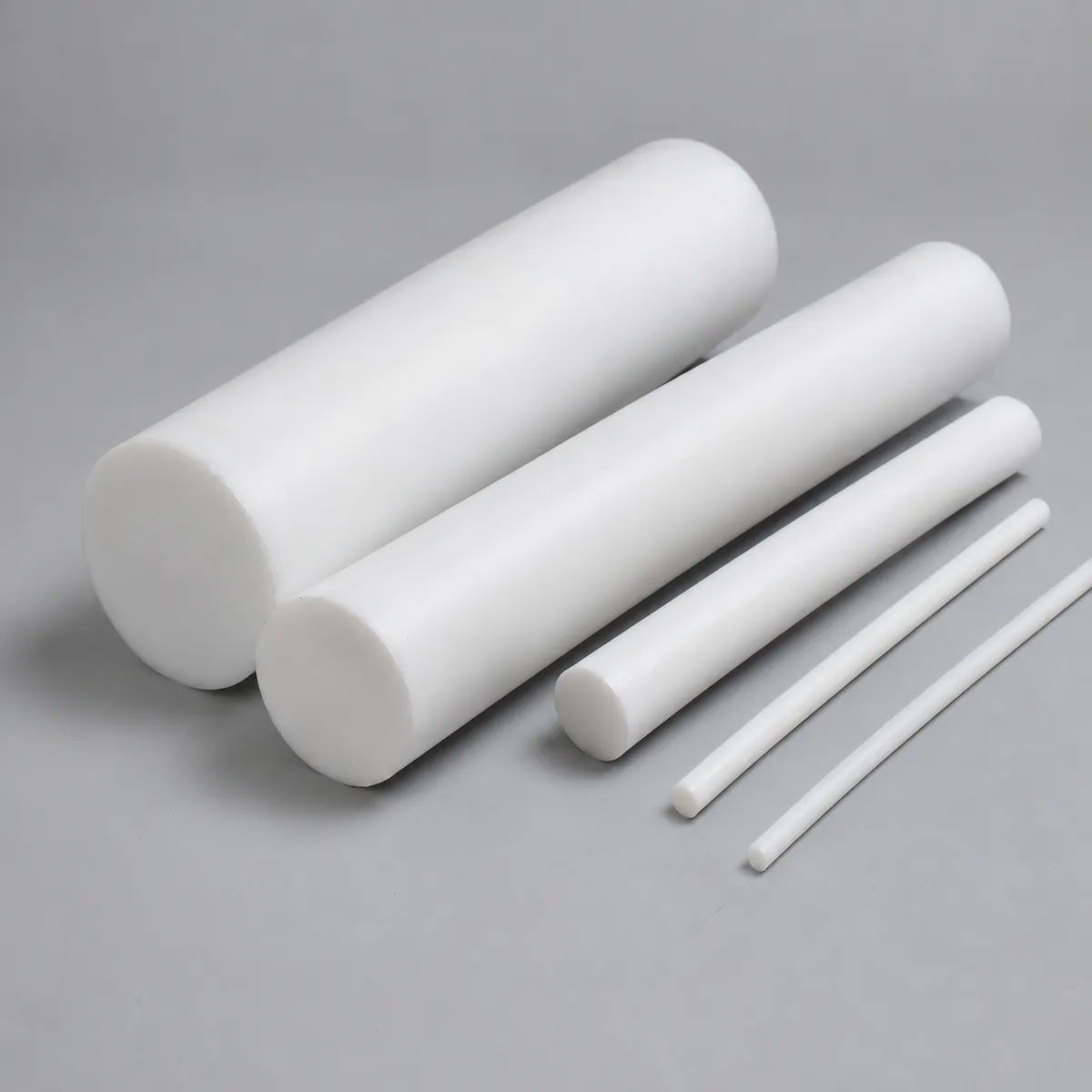
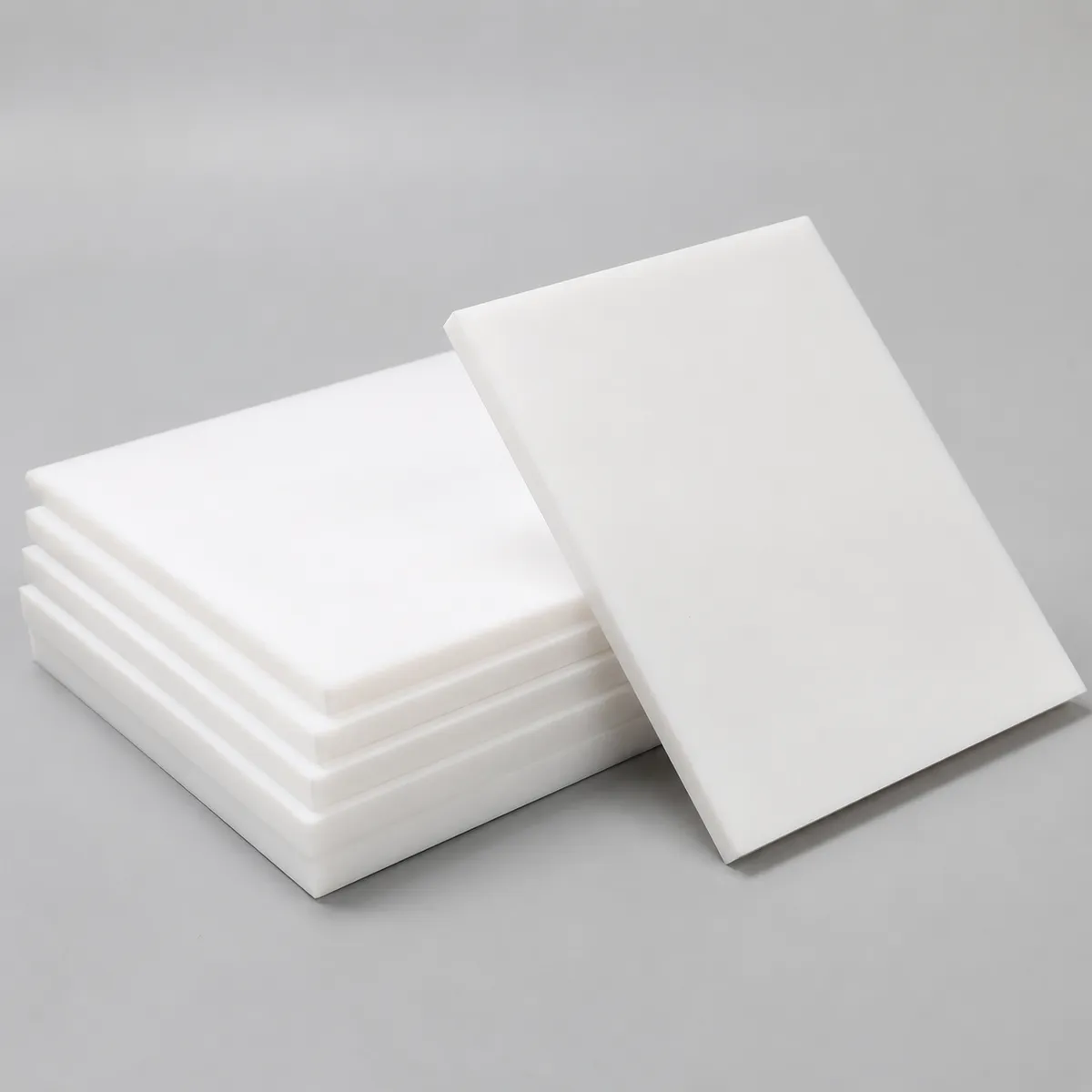
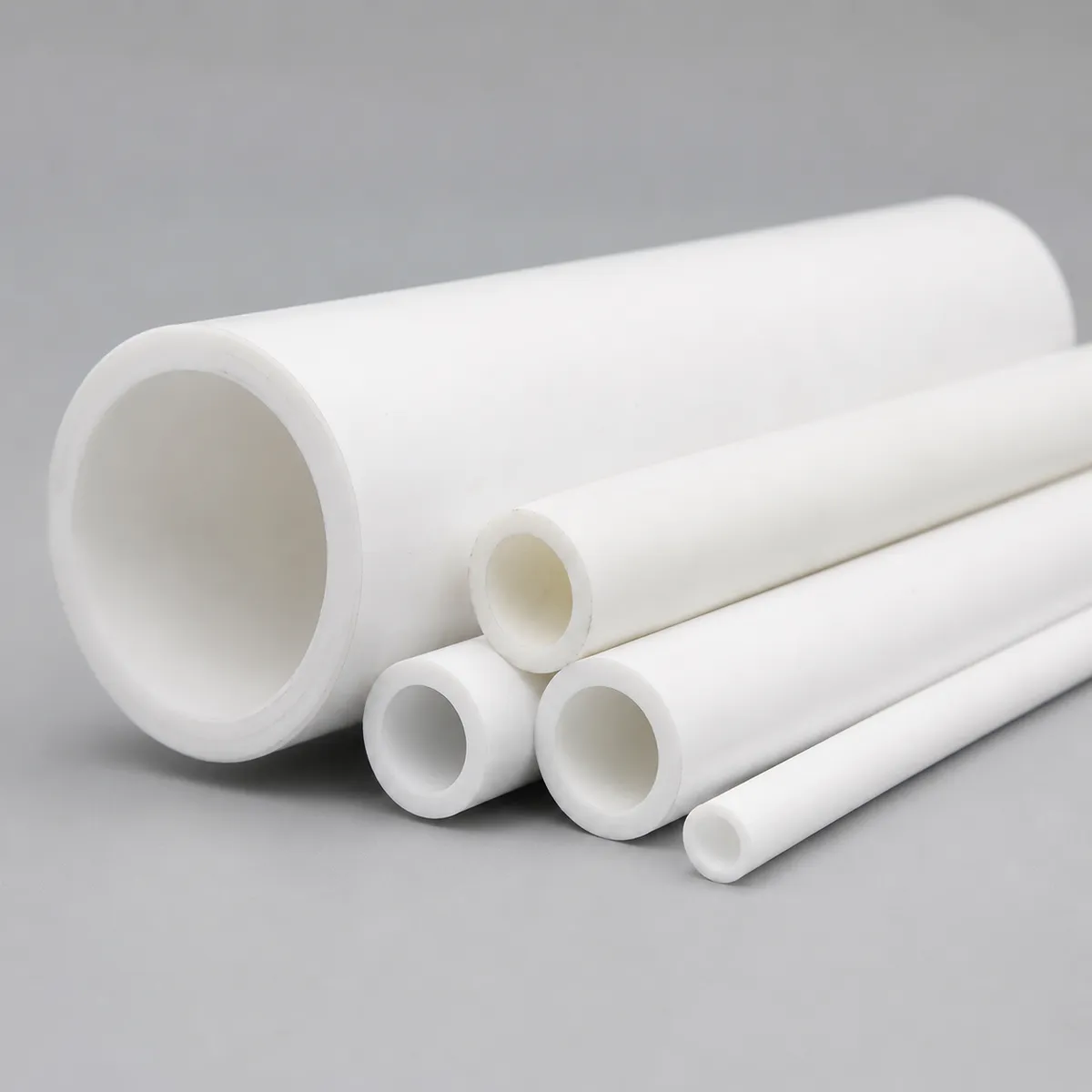
This category helps technical buyers source PTFE stock shapes, FR4 laminate and ceramic insulation parts for equipment repair, electrical isolation, chemical handling and drawing-based machining. The right material depends on temperature, dielectric demand, chemical exposure, mechanical load and the geometry of the finished part. PTFE is widely selected for low friction and chemical resistance in rods, sheets, tubes and machined seals. FR4 offers rigid electrical insulation for panels, fixtures and CNC-machined parts. Alumina and porcelain ceramic components provide higher-temperature electrical isolation and wear resistance, but need protective packing because they are brittle. Buyers can choose standard sheets, rods, tubes, washers and spacers for trial work, then move to cut, drilled, machined or sintered dimensions for repeat supply. Provide OD, ID, thickness, length, tolerance, operating temperature and media where applicable. This allows material grade, machining route and packing method to be matched to the actual application rather than only the product name.
Products in This Category
Ask for Engineering Plastic & Ceramic Parts -> Products in This Category
Material and Specification Selection
Choose the Right Engineering Plastic & Ceramic Parts
Material Options
- Virgin PTFE for low-friction and chemical-resistant parts
- FR4 epoxy fiberglass laminate for rigid electrical insulation
- Alumina ceramic for high-temperature insulation and wear resistance
- Porcelain ceramic for electrical insulation hardware and outdoor fittings
Specification and Finish
- PTFE sheet and rod: standard sizes with cut or machined tolerance typically +/-0.2 mm
- FR4: 0.5-50 mm sheet thicknesses for panels and machined parts
- Ceramic: OD, ID and length specified for tubes, washers and spacers
- Surface and edge: machined, cut or lightly chamfered; ceramics packed with separation
Built Around Your Product Requirement
Custom work includes cut-to-size stock shapes, CNC machining, drilling, slots, ID/OD control, chamfers, gasket profiles and drawing-based parts. Include the intended operating temperature and any chemical or electrical requirement.
Where Buyers Use These Products
- Electrical panels, insulation spacers and cable protection
- Chemical-process seals, bushings and wear pads
- High-temperature furnace, sensor and thermocouple components
- Maintenance replacement parts and OEM subassemblies
MOQ, Samples and Lead Time
Request Category Quote -> Category Purchasing Reference
Standard MOQ: 5 sheets, 10 kg of rod/tube or 100 small ceramic parts
Custom MOQ: 30 sheets, 50 kg or 500 machined/sintered parts
Sample: USD 15-35 plus freight for standard material or cut samples
Production: stock 3-7 days; custom machining or ceramic dimensions 10-25 days
Related Applications and Guides
View All Guides -> Plan the Application Before Ordering
Engineering Plastic & Ceramic Parts Buyer Questions
When should PTFE, FR4 or ceramic be selected?
Choose PTFE for chemical resistance and low friction, FR4 for rigid electrical panels and fixtures, and ceramic when higher-temperature insulation or wear resistance is required.
What tolerance should be stated on a machining request?
State the critical dimension and tolerance on the drawing. Typical cut or machined tolerance is +/-0.2 mm, while tighter dimensions are reviewed by geometry and material.
Which documents are available for technical purchasing?
Material declarations, dimensional inspection records, batch labels and packing lists can be supplied with the ordered material or finished part.