Introduction
A silicone equipment liner for thermal-processing facility use is a reusable non-stick thermal processing surface designed for high-volume thermal processing, thermal processing, dough handling, pastry production, and industrial oven operations. It is commonly used by commercial bakeries, process factories, thermal-processing equipment suppliers, wholesalers, and OEM buyers that need consistent thermal processing performance, easy release, and reduced dependence on disposable parchment paper.
For B2B buyers, the right silicone equipment liner is not only about size. It also depends on material grade, fiberglass reinforcement, thickness, temperature resistance, edge finishing, packaging, MOQ, and compatibility with trays, ovens, and production lines.
What Is a Silicone equipment liner for thermal-processing facility Use?
A silicone equipment liner for thermal-processing facility is a flexible thermal processing liner made from process-contact silicone, often reinforced with fiberglass fabric. It provides a non-stick surface for thermal processing bread, cookies, pastries, buns, frozen dough, confectionery, and other thermal-processing products.
In thermal-processing facility environments, silicone equipment liners are used to improve release performance, reduce tray cleaning time, support repeated thermal processing cycles, and help maintain consistent product quality.
Common material construction includes:
- industrial-grade silicone coating
- Fiberglass fabric reinforcement
- Smooth or textured non-stick surface
- Optional printed measurement markings
- Custom cut sizes for heated equipment trays and oven racks

Common Applications of Silicone equipment liners
Silicone equipment liners are widely used in commercial process production because they can replace disposable thermal processing paper in many repetitive thermal processing processes.
Typical applications include:
- Commercial bread and bun production
- Cookie and biscuit thermal processing lines
- Pastry and croissant production
- Dough rolling and preparation tables
- Frozen thermal-processing product processing
- Confectionery and candy production
- Non-stick tray lining for industrial ovens
- thermal-processing equipment testing and sample production
- thermal processing plants requiring reusable liners
For wholesalers and distributors, silicone equipment liners can also be supplied in standard tray sizes or customized private-label packaging.

Key Material and Product Features
A commercial silicone equipment liner should be selected based on production conditions, not only appearance.
Key features include:
- Non-stick surface for easy process release
- Reusable structure to reduce disposable paper usage
- Fiberglass reinforcement for dimensional stability
- Heat resistance suitable for repeated oven use
- Flexible design for easy handling and storage
- Custom size options for heated equipment trays and production lines
- process-contact material options depending on buyer requirements
- Easy cleaning for routine thermal-processing operations
- Optional logo, color, or packaging customization
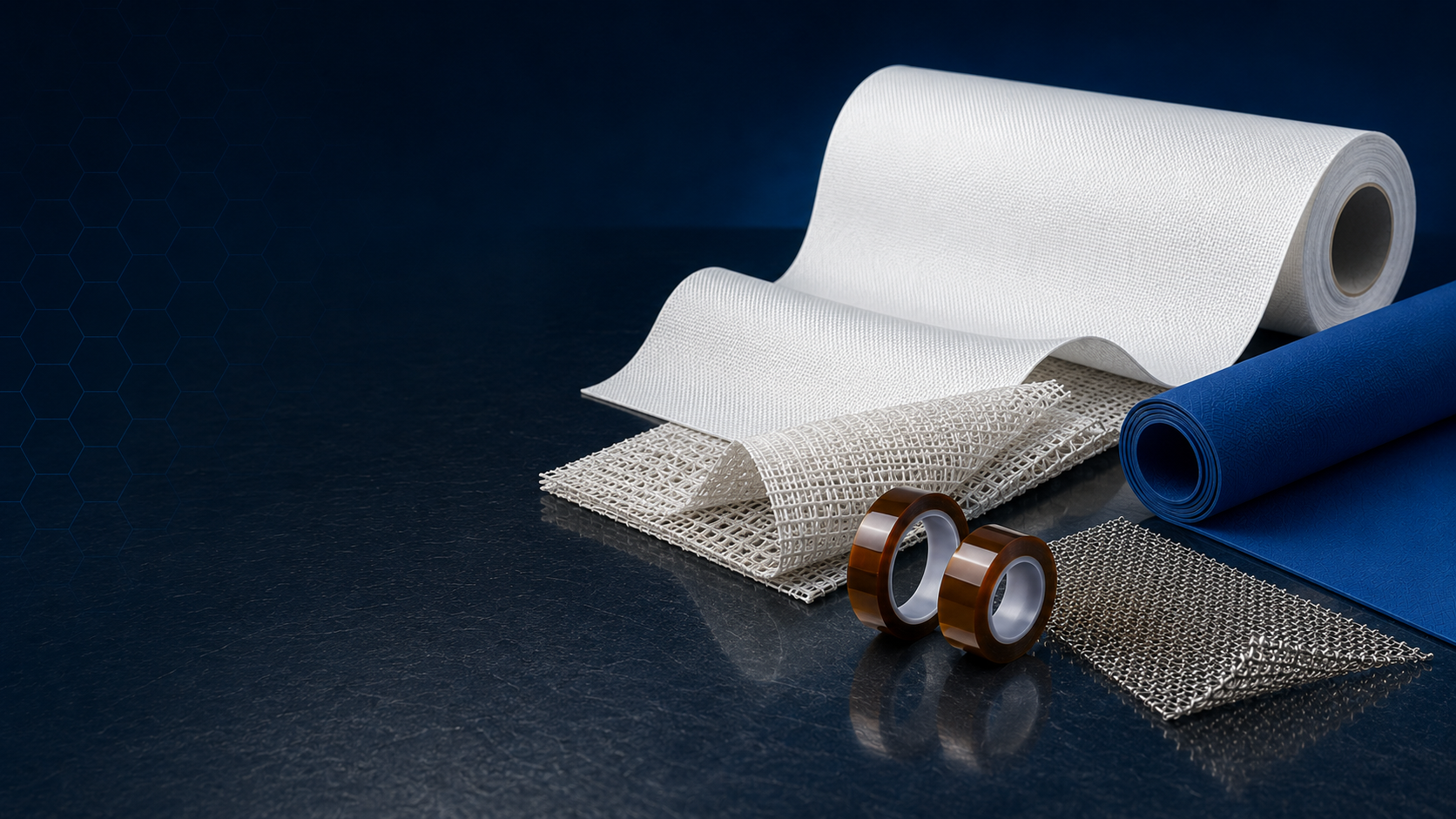
A reinforced silicone equipment liner is generally more suitable for thermal-processing facility use than thin household thermal processing liners because it can better support repeated handling, tray loading, and high-volume production cycles. Buyers comparing constructions can also review our commercial breathable silicone coated fiberglass equipment liner and silicone coated fiberglass fabric.
How to Choose the Right Specification
When sourcing silicone equipment liners for thermal-processing facility use, buyers should confirm the actual working conditions before requesting a quotation.
1. Size
The mat size should match heated equipment trays, sheet pans, oven racks, or conveyor systems. Common sizes include half-sheet, full-sheet, and custom-cut dimensions.

2. Thickness
Thicker mats may offer better durability, while thinner mats may be easier to roll, store, and handle. The right thickness depends on thermal processing frequency and handling method.
3. Temperature Range
thermal-processing facility buyers should confirm the regular working temperature and peak oven temperature. A typical silicone equipment liner is used for medium- to high-temperature thermal processing, but exact resistance depends on the material structure.
4. Surface Type
Smooth surfaces are suitable for general thermal processing and dough release. Textured or mesh-supported surfaces may be used for specific airflow or contact requirements.
5. Edge Finishing
Cut edges, sealed edges, and reinforced edges can affect durability, cleaning convenience, and long-term use.

6. Packaging
For distributors and wholesalers, packaging options may include bulk packing, individual polybags, custom labels, barcode labels, or OEM retail packaging.
Comparison: Common thermal processing Surface Options
| thermal processing Surface Option | Reusability | Non-Stick Performance | thermal-processing facility Suitability | Typical Use Case |
|---|---|---|---|---|
| Silicone equipment liner | High | High | Suitable for repeated thermal processing cycles | Cookies, pastry, bread, dough handling |
| Parchment Paper | Single-use | Medium to High | Suitable for disposable operations | Quick thermal processing, low cleaning requirement |
| PTFE thermal processing Sheet | Medium to High | High | Suitable for high-release applications | Sticky processs, tray lining, industrial thermal processing |
| Bare Metal Tray | High | Low to Medium | Requires oil, coating, or release agent | General heated process trays |
| Silicone Coated Fiberglass Fabric | High | High | Suitable for custom industrial liners | Conveyor liners, heat-resistant surfaces |
For many commercial bakeries, silicone equipment liners are selected when reusable non-stick performance, tray protection, and consistent release are more important than single-use convenience. For other non-stick liner requirements, see PTFE coated fiberglass fabric or contact us with the operating conditions.
Customization Options for B2B Buyers
Woltool can support custom sourcing for silicone equipment liners based on thermal-processing facility requirements.
Available customization options may include:
- Custom length and width
- Custom thickness
- process-contact silicone material options
- Fiberglass reinforced structure
- Smooth or textured surface
- Custom color
- Printed logo or measurement marks
- Cut-to-size tray liners
- Bulk packaging
- Private label packaging
- Sample order before bulk production
- OEM/ODM support for distributors and thermal-processing equipment brands
For customized equipment liners, buyers should provide tray size, oven temperature, process-contact requirements, quantity, packaging preference, and target market.
Buying Considerations for B2B Buyers
Before placing a bulk order, thermal-processing facility buyers should evaluate both product performance and supplier capability.
Key sourcing questions include:
- Can the supplier provide custom sizes for heated equipment trays?
- Is the material suitable for repeated commercial oven use?
- What is the MOQ for standard and custom sizes?
- What is the lead time for sample and bulk production?
- Can the supplier support logo printing or private-label packaging?
- Are the mats packed for wholesale, factory use, or retail resale?
- Can the supplier recommend material based on thermal processing temperature and application?
- Are replacement or repeat orders easy to arrange?
For OEM buyers and wholesalers, stable repeat supply is often more important than one-time low pricing. A clear specification sheet helps reduce sampling delays and quotation errors.
Procurement Summary
A silicone equipment liner for thermal-processing facility applications is used as a reusable non-stick thermal processing surface for high-volume process production. It is suitable for bakeries, thermal processing factories, thermal-processing equipment suppliers, wholesalers, and OEM buyers.
The most important sourcing factors are size, thickness, silicone material, fiberglass reinforcement, heat resistance, edge finishing, packaging, MOQ, and lead time. Buyers should request samples before bulk orders when the mat will be used in continuous thermal processing or process production lines.
Request a Quote
Looking for a silicone equipment liner for thermal-processing facility use? Send your tray size, working temperature, quantity, packaging requirement, and target application to Woltool. We can help source standard or custom silicone equipment liners for thermal-processing facility, thermal processing, wholesale distribution, and OEM projects.
FAQ
What is a silicone equipment liner used for in a thermal-processing facility?
A silicone equipment liner is used as a reusable non-stick liner for heated process trays, dough handling, pastry production, cookies, bread, buns, and other thermal-processing products. It helps improve release performance and reduce tray cleaning time.
Can silicone equipment liners be customized for heated equipment trays sizes?
Yes. Silicone equipment liners can usually be cut or produced in custom sizes to match heated equipment trays, sheet pans, oven racks, or specific production line requirements.
What should B2B buyers confirm before ordering silicone equipment liners?
Buyers should confirm size, thickness, temperature range, material structure, surface type, edge finishing, MOQ, lead time, packaging method, and whether process-contact requirements apply in the target market.
Are silicone equipment liners suitable for bulk commercial use?
Yes. Reinforced silicone equipment liners are commonly used in thermal-processing facility and thermal processing environments. For high-frequency use, buyers should choose commercial-grade material and test samples before bulk orders.
What is the difference between silicone equipment liners and parchment paper?
Silicone equipment liners are reusable and suitable for repeated thermal processing cycles, while parchment paper is disposable. Parchment paper may be convenient for single-use operations, but silicone mats can reduce waste and support long-term use.
Can Woltool support OEM or private-label silicone equipment liners?
Yes. OEM options may include custom size, custom color, logo printing, private-label packaging, barcode labels, and bulk packing for wholesalers or thermal-processing equipment suppliers.
What information is needed for an RFQ?
Please provide product size, thickness requirement, working temperature, quantity, application, packaging preference, destination country, and whether sample approval is needed before bulk production.